
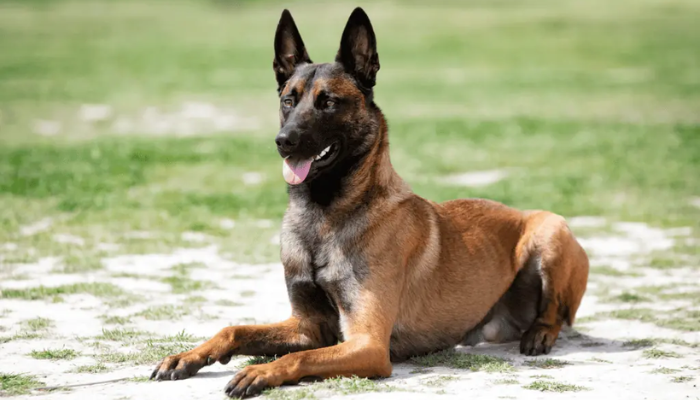
Cop dog breeds have become synonymous with courage, loyalty, and unmatched intelligence. From sniffing out narcotics to apprehending dangerous suspects, these specialized canines play a vital role in law enforcement worldwide. Police departments carefully select and train specific dog breeds that demonstrate exceptional agility, keen senses, and a strong work ethic. In this article, we will explore the most popular cop dog breeds, their unique abilities, and what makes them the ultimate partners in crime-fighting. Whether you are a dog enthusiast, law enforcement professional, or simply curious about these incredible animals, this guide will provide a comprehensive look at cop dog breeds and their crucial role in policing today.
German Shepherd: The Iconic Police Dog
The German Shepherd is perhaps the most recognized cop dog breed globally. Known for its intelligence, loyalty, and versatility, the German Shepherd has been a top choice for law enforcement agencies for decades. These dogs excel in a variety of tasks, from search-and-rescue operations to drug detection and suspect apprehension. Their high energy levels, combined with a natural protective instinct, make them reliable partners in high-stakes situations. Police trainers value German Shepherds for their ability to follow complex commands and adapt quickly to new challenges in the field.
One of the most remarkable qualities of German Shepherds is their keen sense of smell and superior tracking skills. They can detect scents that are imperceptible to humans, making them invaluable in narcotics investigations and search missions. In addition to their sensory abilities, German Shepherds are highly trainable and thrive in environments where they have a clear role and structured guidance. This breed’s combination of physical strength, intelligence, and unwavering loyalty ensures they remain a top choice for police departments worldwide.
Belgian Malinois: The Agile Workhorse
The Belgian Malinois is a powerhouse in modern police work, often favored for tasks that require speed, agility, and endurance. Smaller and more athletic than the German Shepherd, the Malinois is known for its explosive energy and relentless drive. Law enforcement agencies utilize Belgian Malinois for apprehension, detection of explosives, and tactical operations. Their smaller size does not compromise their strength, and they are capable of handling physically demanding scenarios that require precision and speed.
Belgian Malinois dogs are also extremely intelligent and highly trainable, which makes them perfect for specialized roles. Their unwavering focus allows them to work in chaotic environments without losing efficiency. This breed thrives on mental stimulation and tasks that challenge their problem-solving abilities. Officers often describe Belgian Malinois as the “Ferraris” of the police dog world—fast, agile, and incredibly responsive. The combination of physical agility, mental acuity, and fierce loyalty makes the Belgian Malinois a standout among cop dog breeds.
Labrador Retriever: The Detection Specialist
While Labradors are commonly known as family-friendly companions, they are also exceptional cop dog breeds, particularly in detection roles. Labradors possess an extraordinary sense of smell and a gentle, approachable demeanor, which makes them ideal for narcotics detection, search-and-rescue missions, and explosives detection. Their friendly nature allows them to interact safely with civilians while maintaining their focus on critical tasks.
In law enforcement, Labrador Retrievers are valued not only for their olfactory abilities but also for their work ethic and reliability. These dogs can cover large areas quickly while maintaining accuracy in scent detection. Labradors are also highly trainable, responding well to positive reinforcement techniques that enhance their natural abilities. Their calm and friendly temperament allows them to perform tasks that other more aggressive breeds may struggle with, making them versatile members of police teams.
Dutch Shepherd: The Versatile Defender
The Dutch Shepherd is a less commonly known cop dog breed but is increasingly utilized for law enforcement work due to its intelligence and versatility. Similar to the Belgian Malinois and German Shepherd, Dutch Shepherds excel in tracking, protection, and detection tasks. Their athletic build and high endurance allow them to handle rigorous physical challenges, making them perfect for pursuit and apprehension scenarios.
Dutch Shepherds are also known for their exceptional trainability and ability to respond to complex commands under pressure. They are highly alert, have excellent problem-solving skills, and are naturally protective of their handlers. This combination of traits makes them suitable for both urban and rural policing environments. Additionally, Dutch Shepherds have a balanced temperament, allowing them to remain composed in high-stress situations while still performing demanding duties efficiently. Law enforcement agencies value this breed for its adaptability, intelligence, and loyalty, making it a rising star among cop dog breeds.
Bloodhound: The Expert Tracker
When it comes to tracking missing persons or fugitives,cop dog breeds few dogs can match the Bloodhound’s scenting abilities. Bloodhounds possess an unparalleled sense of smell, capable of following a trail that is days old over long distances. This unique skill makes them indispensable in search-and-rescue missions and criminal investigations requiring precise scent tracking. Their long ears and loose facial skin help funnel scent molecules to their highly sensitive noses, enhancing their tracking efficiency.
Bloodhounds are calm, focused, and methodical in their approach, traits that are critical for investigative work. Unlike more aggressive cop dog breeds, they rely primarily on their olfactory senses rather than physical prowess. Training a Bloodhound requires patience and consistency, but once fully trained, they can perform searches that are nearly impossible for humans and other dog breeds. Their dedication and unmatched tracking abilities solidify the Bloodhound’s status as one of the most specialized cop dog breeds in law enforcement history.
Conclusion
Cop dog breeds are extraordinary animals whose skills and instincts make them invaluable partners in law enforcement. From the iconic German Shepherd to the fast and agile Belgian Malinois, the versatile Dutch Shepherd, the detection-focused Labrador Retriever, and the scent-master Bloodhound, each breed brings unique qualities to police work. These dogs are more than just tools—they are loyal partners, trained professionals, and essential members of police teams worldwide. Understanding the characteristics and capabilities of these breeds highlights not only their contributions to law enforcement but also their dedication, intelligence, and courage. For anyone fascinated by police work or canine heroes, cop dog breeds offer a compelling glimpse into the incredible bond between humans and dogs in the pursuit of justice.
Frequently Asked Questions (FAQs)
- What are the most popular cop dog breeds?
The most common cop dog breeds include German Shepherds, Belgian Malinois, Labrador Retrievers, Dutch Shepherds, and Bloodhounds. - Why are German Shepherds preferred in police work?
They are intelligent, loyal, highly trainable, and possess both physical strength and mental acuity. - Can smaller breeds like Labradors be police dogs?
Yes, Labradors are often used for detection work, such as sniffing out drugs or explosives. - What makes Belgian Malinois ideal for tactical police operations?
Their agility, speed, endurance, and ability to focus under pressure make them excellent for high-intensity tasks. - How are cop dog breeds trained?
Training involves obedience, agility, tracking, detection, and sometimes protection skills, often starting from puppyhood. - Do cop dogs get retired?
Yes, once a dog reaches a certain age or their work capability declines, they are retired and often adopted by their handlers. - Are Dutch Shepherds commonly used in the U.S.?
While less common than German Shepherds, they are gaining popularity due to their intelligence, versatility, and trainability. - What makes Bloodhounds exceptional trackers?
Their extraordinary sense of smell, long ears, and facial structure allow them to follow scents over long distances and time. - How long does it take to train a cop dog?
Training can take several months to over a year, depending on the breed and specialized tasks. - Can cop dogs be good family pets?
Yes, many cop dog breeds can be excellent companions if properly socialized and given enough mental and physical stimulation.